
Witchbrook Controversy: What Is Actually Confirmed?
Witchbrook controversy discussions focus on delays, communication, and Chucklefish history. This page separates official facts from unverified claims.
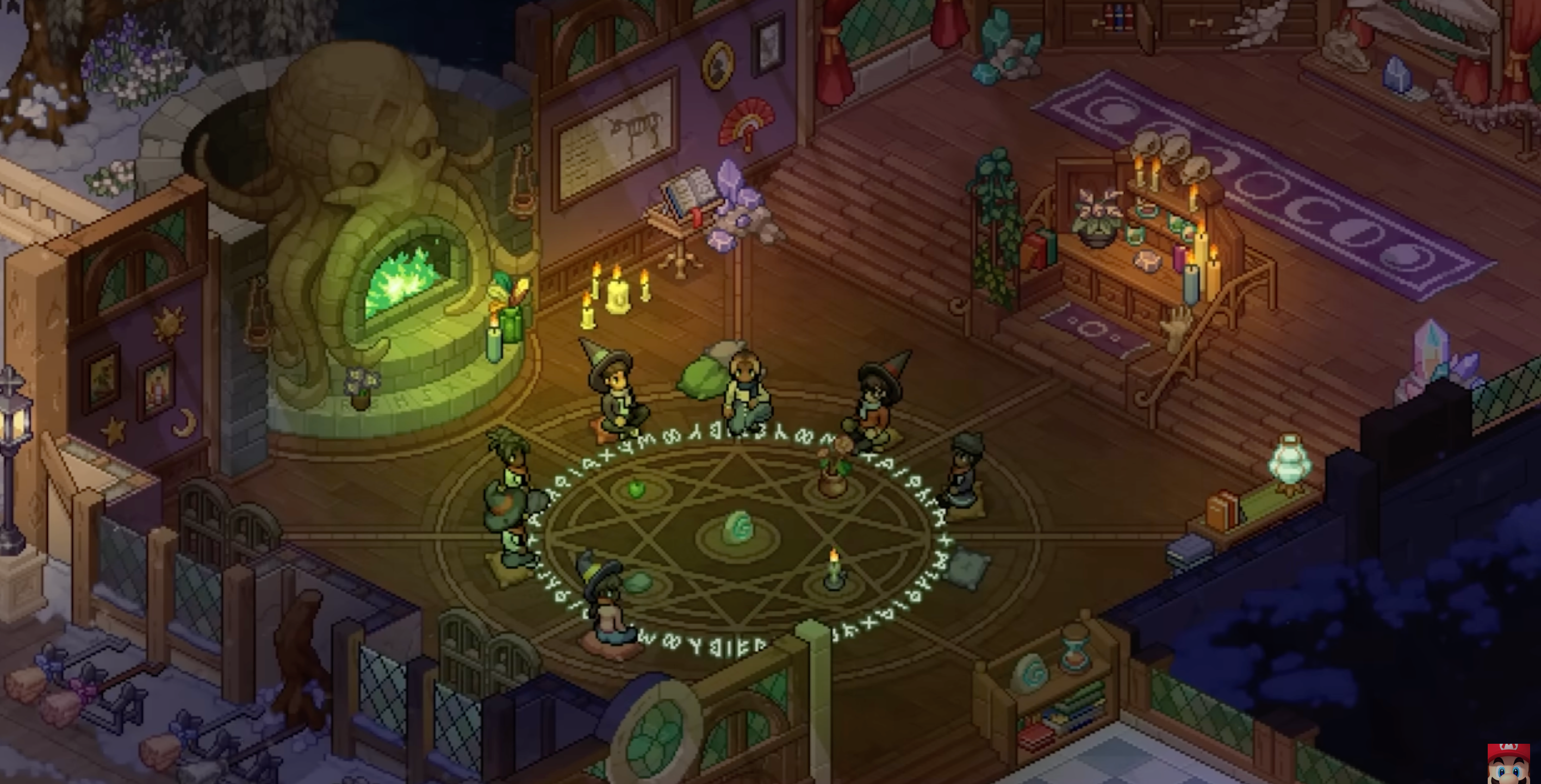
What is the Witchbrook controversy about?
The clearest confirmed issue is the long development timeline and the move from a Winter 2025 plan to a 2026 release window. Community and video discussions also focus on communication gaps and the history of Chucklefish. The official sources confirm the delay and the studio’s zero-crunch position, but they do not establish every accusation repeated in third-party commentary.
This page therefore separates documented facts from opinion. It is not accurate to turn a frustrated video title or a search snippet into a definitive claim about misconduct, cancellation, or a hidden release date. Those wider allegations are not yet confirmed.
What do official updates confirm?
The Development Update says the project is large and needs more time, moving the public plan from Winter 2025 to 2026. The official FAQ explains that Chucklefish follows a zero-crunch approach and that the schedule is intended to avoid forcing staff into unhealthy overtime. The update also references ongoing work such as localization, console porting, polishing, and internal testing.
Those statements confirm a delayed project that is still in development. They do not provide an exact launch day, promise that no further delay can occur, or prove that every feature discussed in older material will ship unchanged. The precise final schedule remains not yet confirmed.
Why are players frustrated?
Third-party videos and community discussions commonly describe frustration with the wait and with periods between substantial announcements. That sentiment is a real part of the public conversation, but it is not the same as a verified allegation. The collected materials do not provide a complete communication-frequency audit or a single official statement admitting a specific communication failure.
The official blog index does show a sequence of development posts, including Dating on Campus, Building a Home, Life at Witchbrook, Express Yourself, and the Development Update. Readers can use those posts to compare what the team has actually announced with what commentary says it announced.
What about Chucklefish history?
The material includes discussion of Chucklefish’s earlier projects and its role as Witchbrook’s developer and publisher, while Robotality is involved in co-development. Those background facts can help explain why players compare Witchbrook with other life-simulation or cozy games, but they do not prove a specific Witchbrook controversy.
The sources also include third-party videos that make predictions about future dates or interpret studio decisions. Such videos are useful signals for what players are asking, but their predictions and motives are not official evidence. Claims about contracts, funding, staffing, labor practices beyond the published zero-crunch statement, or a future 2027 launch are not yet confirmed.
How to evaluate new claims
Start with the Witchbrook website, official developer blog, Steam announcements, and direct platform pages. Check whether a claim is a quote, an announced feature, or a creator’s interpretation. A trailer title, thumbnail, or community reply should not be treated as a release confirmation or a proof of wrongdoing.
For dates, prefer the latest FAQ and Steam listing over older trailer wording. For labor and schedule claims, quote the official Development Update and avoid expanding its explanation into motives the post does not state. For allegations, use not yet confirmed until a reliable primary source supports the specific event.
Sources
- Development Update — confirms the move from Winter 2025 to 2026 and explains the development context.
- Witchbrook official FAQ — current platform and schedule information plus the zero-crunch explanation.
- Witchbrook official blog — index of dated development posts.
- Controversy discussion video — a third-party discussion source, useful as context but not proof of its claims.
Related Articles
release-access
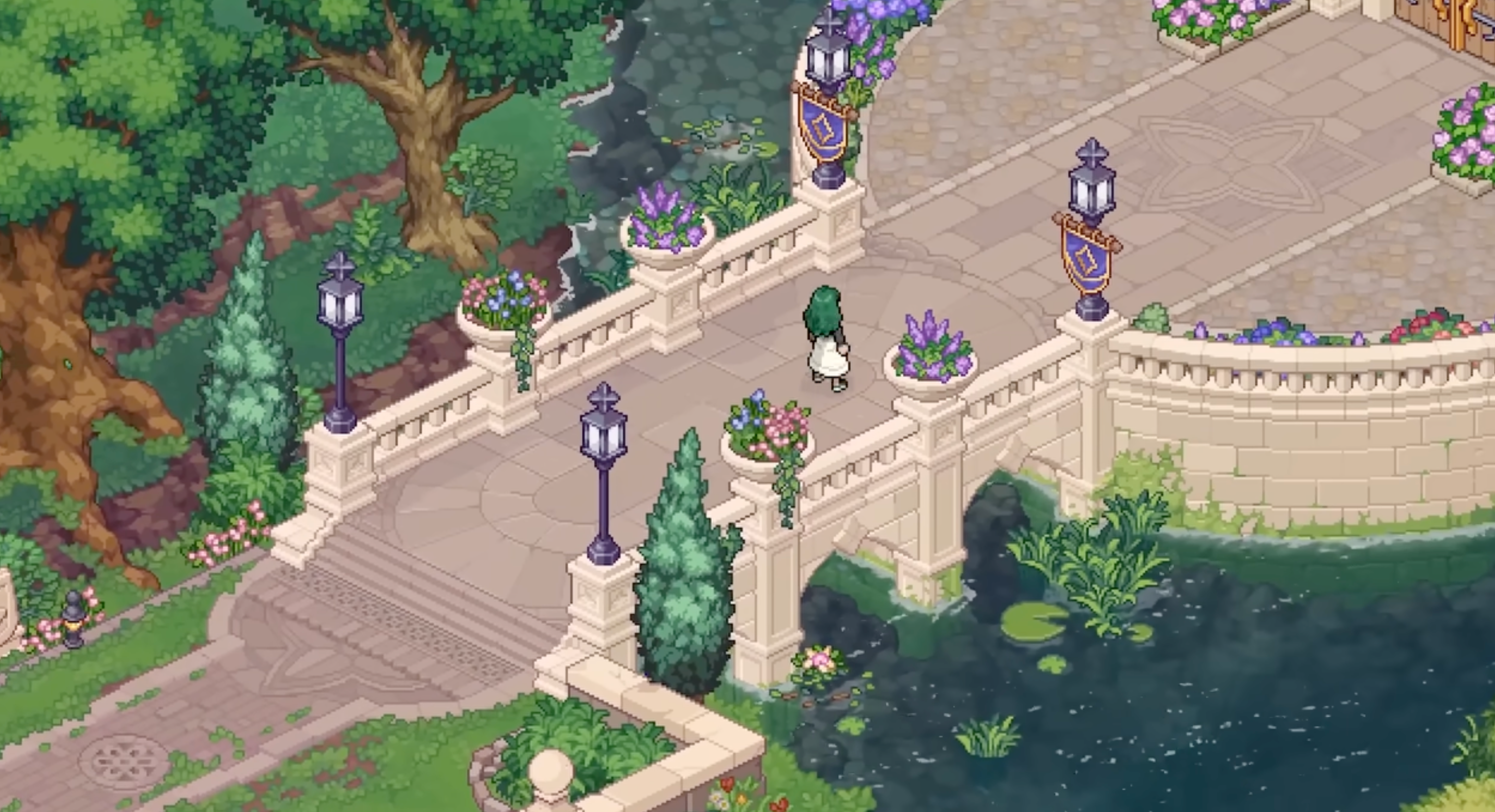
Witchbrook Development History: 2016 to 2026
Witchbrook development history began with a 2016 “Magic School Game” concept. Follow the confirmed project, co-development, delay, testing, and platform work.
release-access
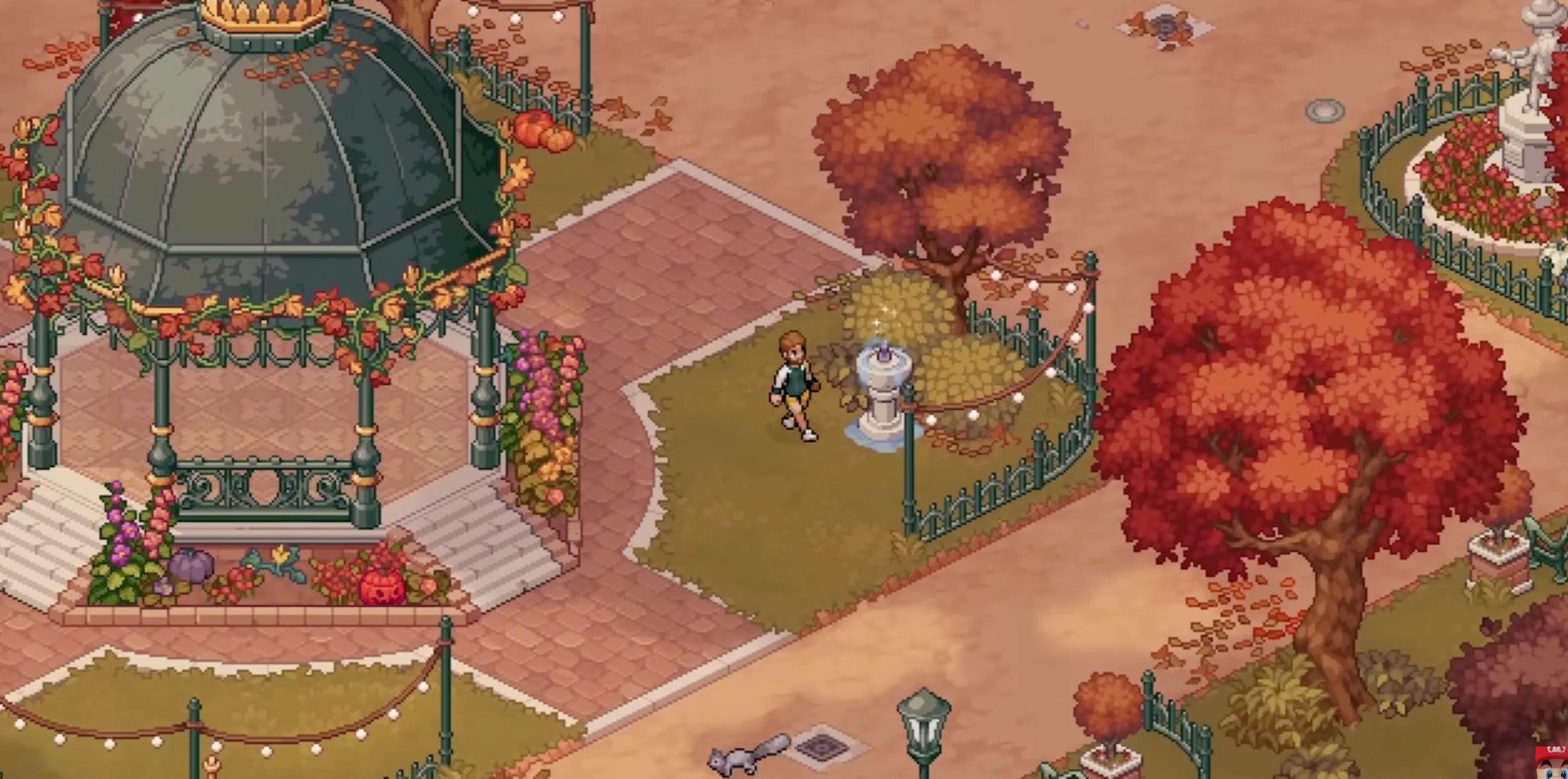
Witchbrook Release Date: Latest 2026 Status
Witchbrook release date is planned for 2026 on PC, Steam, Nintendo Switch, Switch 2, and Xbox, but no exact day or month is announced by the developer yet.
guides
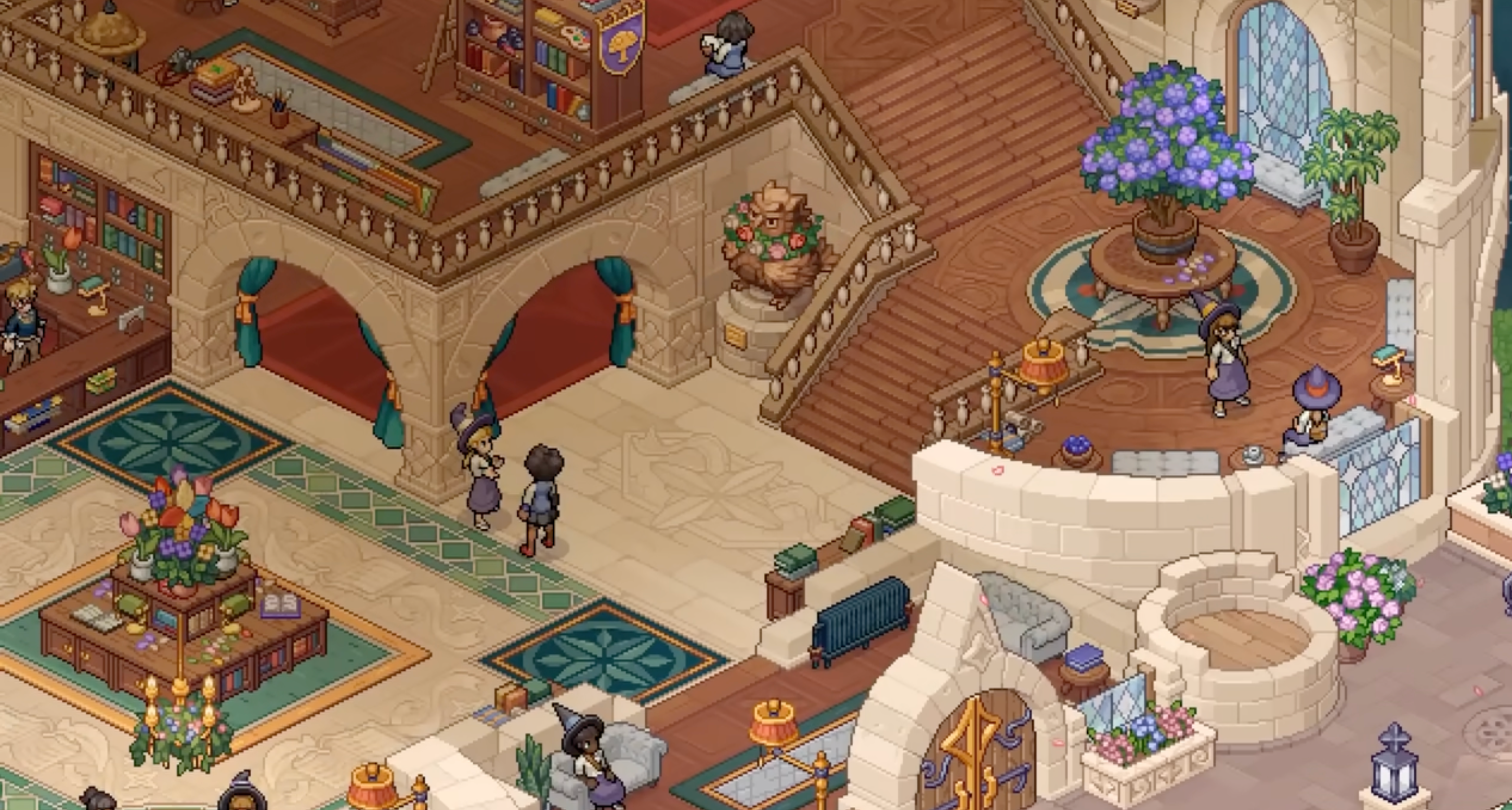
Witchbrook Achievements: What Steam Confirms
Witchbrook achievements are listed as a planned Steam feature, but no official achievement list, count, names, or unlock conditions has been published yet.
Was this helpful?
Thanks for the feedback!