
Witchbrook Gameplay: Classes, Spells and Daily Life
Witchbrook gameplay combines college classes, assignments, exams, practical magic, business, cottage life, social stories, and free-time activities in Mossport.
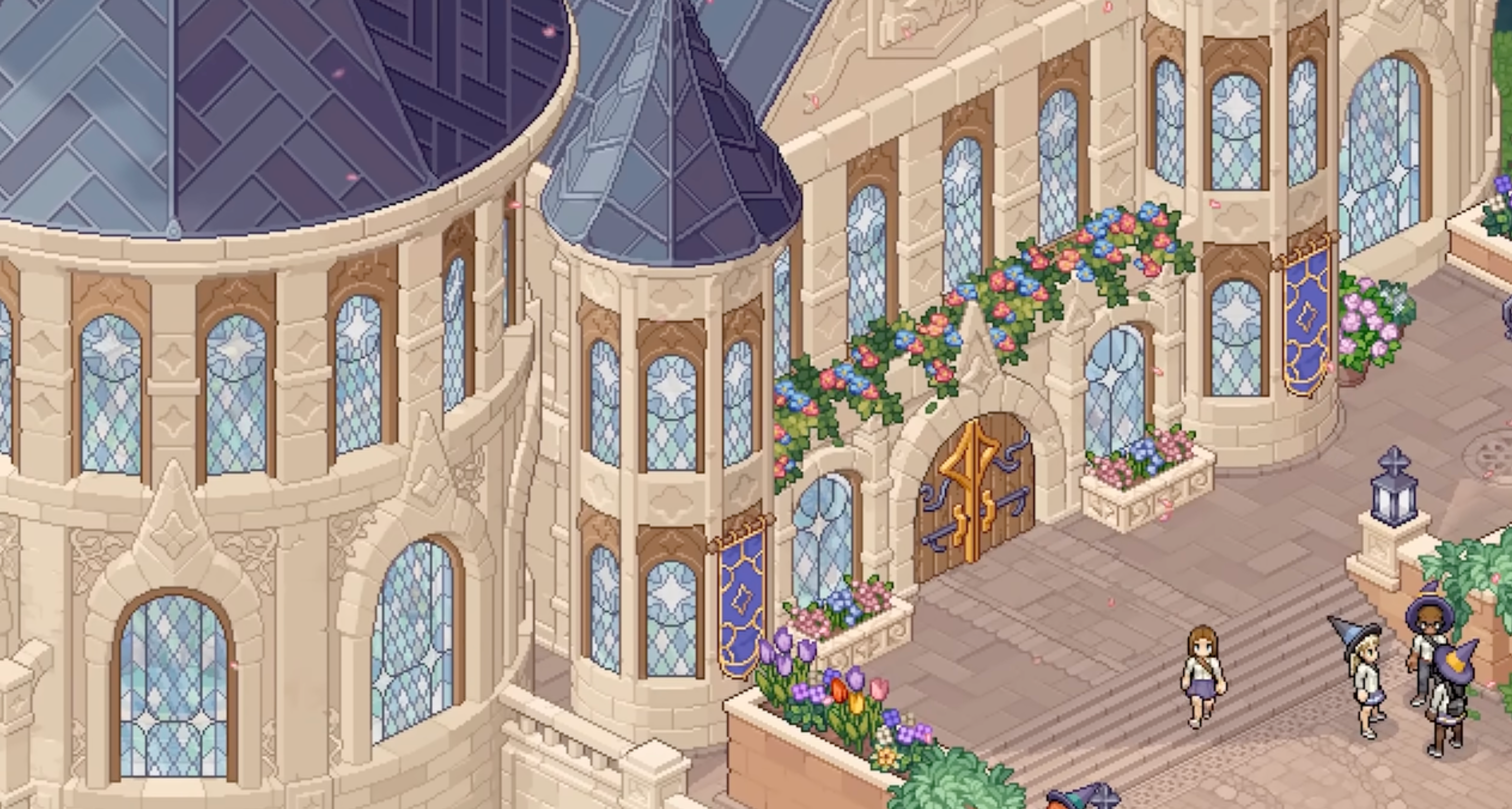
What is Witchbrook gameplay like?
Witchbrook gameplay combines a magical college routine with a life-simulation town. You attend classes, complete assignments, expand your knowledge, take exams, and learn spells while also running a business, decorating a cottage, meeting townsfolk, and choosing how to spend free time. The official material describes the first in-game year as roughly 40–50 hours depending on playstyle.
The game is set in Mossport, a seaside town built around Witchbrook College. The Steam description presents the town as a living world with seasonal events and residents who follow daily schedules. Your schoolwork and your life outside class are designed to progress together rather than as separate modes.
Classes, assignments, and exams
Classes teach practical and academic magic. The official Life at Witchbrook blog names Alchemy, Herbal Tea, Salves, Potions, Astrological Divination, Tarot, and Arcane Arts among the subjects or areas of study. Players gather ingredients, consult books, complete hands-on work, and use what they learn to help local clients.
Assignments feed into the academic loop. The developers say exams test knowledge and can unlock new classes, spells, activities, and areas. Arcane Arts is described as a later study area for students who prove their knowledge and pass the first- and second-semester exams.
The exact grade formula, assignment checklist, exam questions, and class timetable are not yet confirmed. No source provides a complete semester walkthrough, so this page keeps the confirmed loop separate from unverified optimization advice.
Spells and practical magic
Magic in Witchbrook is presented as a practical vocation. Players source ingredients, consult ancient tomes, craft cures, and deliver results to townsfolk in person. The official blog describes spells for guidance and broom travel, along with remedies such as herbal teas, topical salves, and potions.
As studies progress, new classes teach new spells that help with everyday life. The game’s magic is therefore connected to exploration, errands, business work, and town relationships. A final spell list, recipe list, resource quantities, and combat system are not yet confirmed; the collected sources do not describe Witchbrook as a combat-focused game.
Business, cottage, and garden play
The gameplay loop also includes starting a business and using its profits to fund studies. The Steam page says players can partner with shops, sell crafts at the Sunday market, and spend earnings at Mossport’s boutiques and eateries. Business details are part of the town-life layer rather than a separate management campaign in the available sources.
Players can renovate a woodland cottage and transform the surrounding garden into a habitat for plants and wildlife. The Building a Home post adds a large furniture catalog with more than 600 color-swap pieces, while the character-customization post keeps wardrobe options separate from home decoration. Exact building limits and garden systems are not yet confirmed.
Free time and social stories
There is more to do after class than study. Official examples include cooking, gardening, festivals, shopping, arcade high scores, photography, fishing, and choosing a gift for a romantic date. The town’s seasonal rhythm changes the look and routines of Mossport as the academic year moves forward.
Social play includes friendships, romance, gifts, dates, and personal story arcs. The Dating on Campus blog confirms 11 romanceable characters, six named so far, and friendship routes for players who do not want to date. Multiplayer adds online co-op for up to four players, including shared cottage activities.
A practical first-play approach
The sources support a simple priority order: attend the classes currently available, finish assignments, collect knowledge, and use new skills in town. Keep some free time for ingredients, business work, relationships, and exploration because the game’s systems are designed to overlap. Do not assume a single “best” schedule until the final release exposes exact timers and rewards.
The official release window is 2026, but Witchbrook is unreleased. A final tutorial sequence, difficulty setting, save structure, and optimal daily route are not yet confirmed.
Sources
- Life at Witchbrook — classes, magic, practical work, and the school-life loop.
- Witchbrook on Steam — town routines, social play, business, customization, and co-op.
- Building a Home — cottage, garden, and furniture details.
- Dating on Campus — relationships and romance systems.
Related Articles
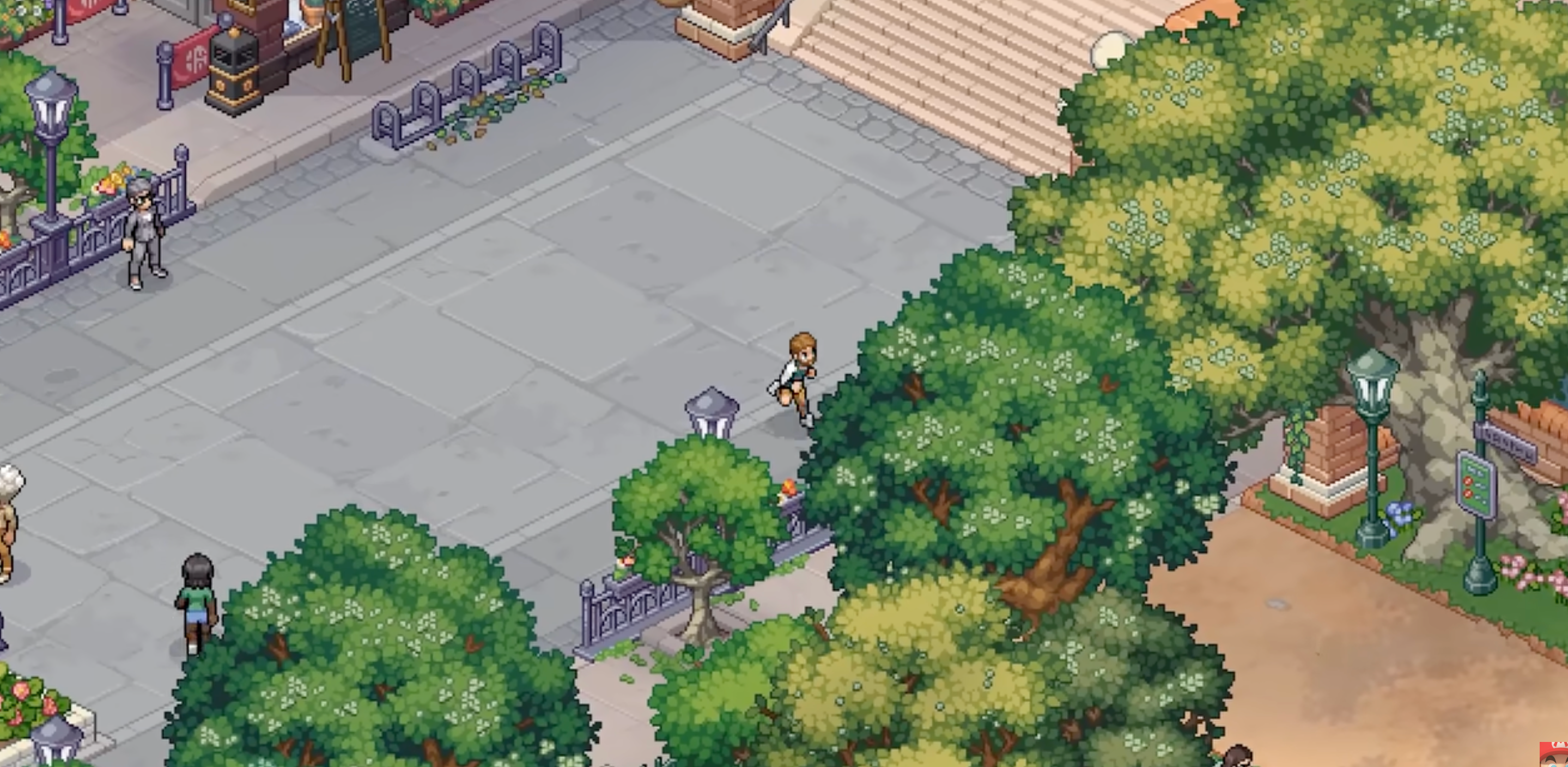
comparisons
Witchbrook Genre: Life Sim and Social RPG Explained
Witchbrook genre is officially described as a richly detailed life sim and social RPG, with Steam also listing RPG, Simulation, Indie, and co-op tags.
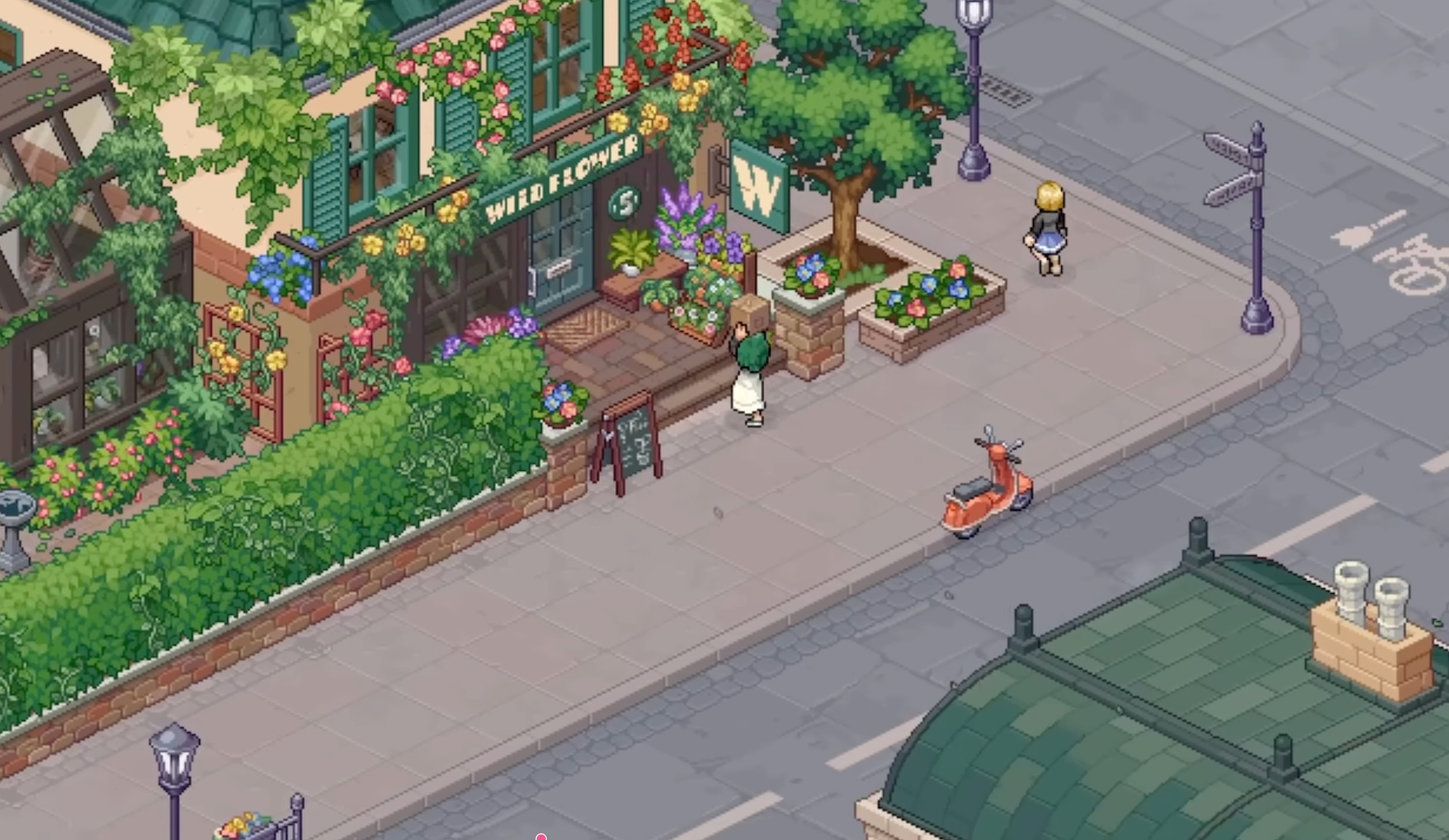
comparisons
Witchbrook Similar Games: What Players Can Try
Witchbrook similar games share cozy life-sim, magic-school, social, or online co-op ideas. Compare confirmed themes without treating fan guesses as official.
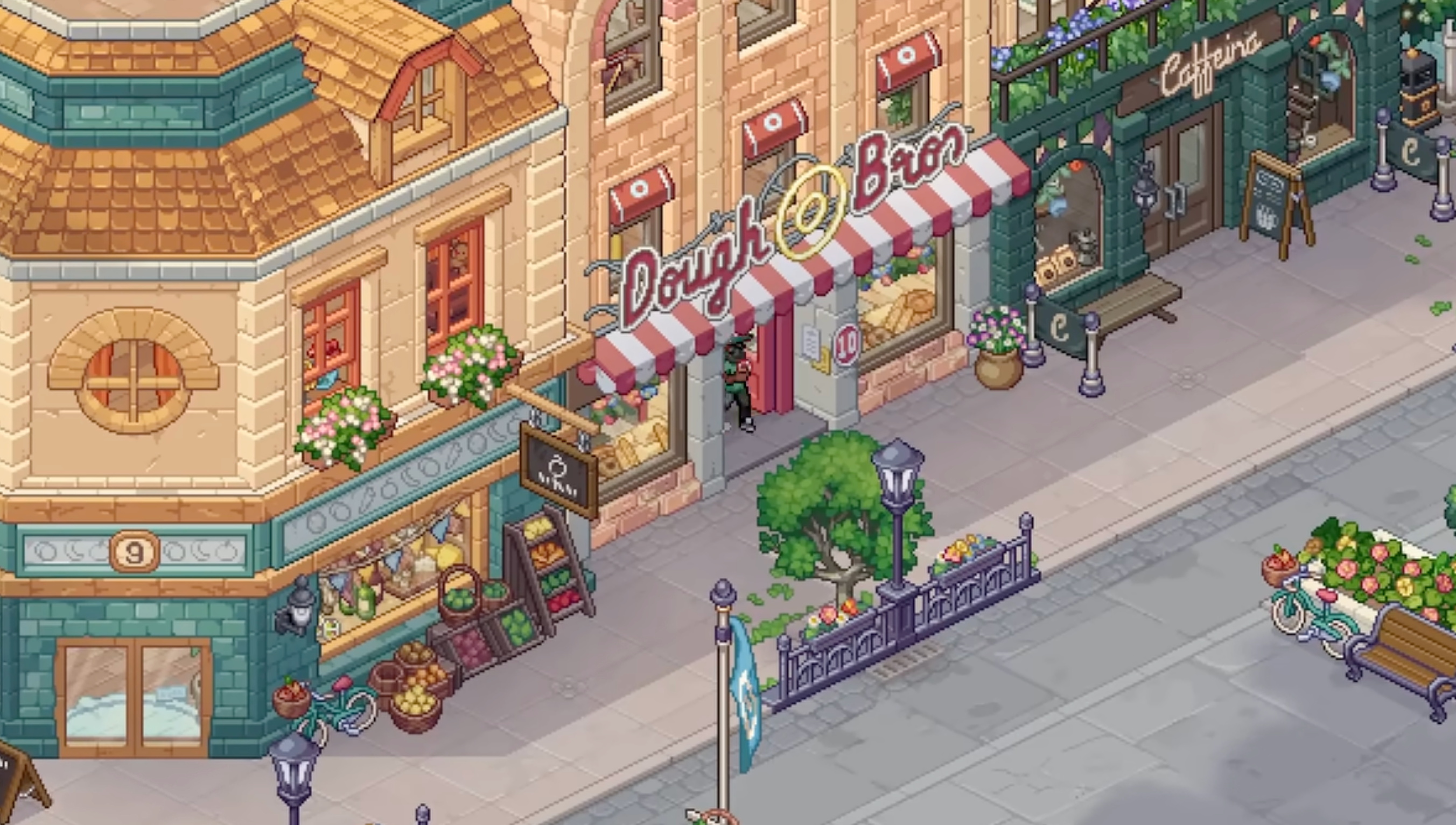
comparisons
Witchbrook vs Stardew Valley: Key Differences
Witchbrook vs Stardew Valley is a comparison between a magic college life sim and a farming-focused life sim. Here are the supported differences and unknowns.
Was this helpful?
Thanks for the feedback!